Neck Pain on One Side After Sleeping: Common Causes
One-sided morning neck pain usually means an uneven load held for hours overnight. Stomach sleeping holds the head turned sharply to one side; side sleeping on a wrong-height pillow tilts the neck. That asymmetry is why one-sided pain gets its own page: if it is always the same side, your sleep setup is the prime suspect — not your pillow's brand.
Applies to: if it is always the same side — this page helps you tell rotation strain from compression strain in about a minute.
⚠ Stop self-managing if any of these apply
- Numbness, tingling, or weakness in the arm or hand
- Neck pain that spreads down the arm, or pain after an injury or fall
- Fever with neck stiffness, or a severe headache that came on suddenly
- Pain that keeps worsening after a few days instead of easing
These need a qualified clinician — not a new pillow.
If only the left side hurts, your pillow may not be the culprit. The usual story is geometry, not damage: stomach sleeping can hold the head turned for hours, and spine-center physiatrists rank side or back sleeping as easiest on the neck — not any pillow upgrade (New England Baptist Hospital, 2018). Here is a quick way to tell the usual causes apart — and to know when one-sided neck pain means seeing a clinician instead of trying another home fix.
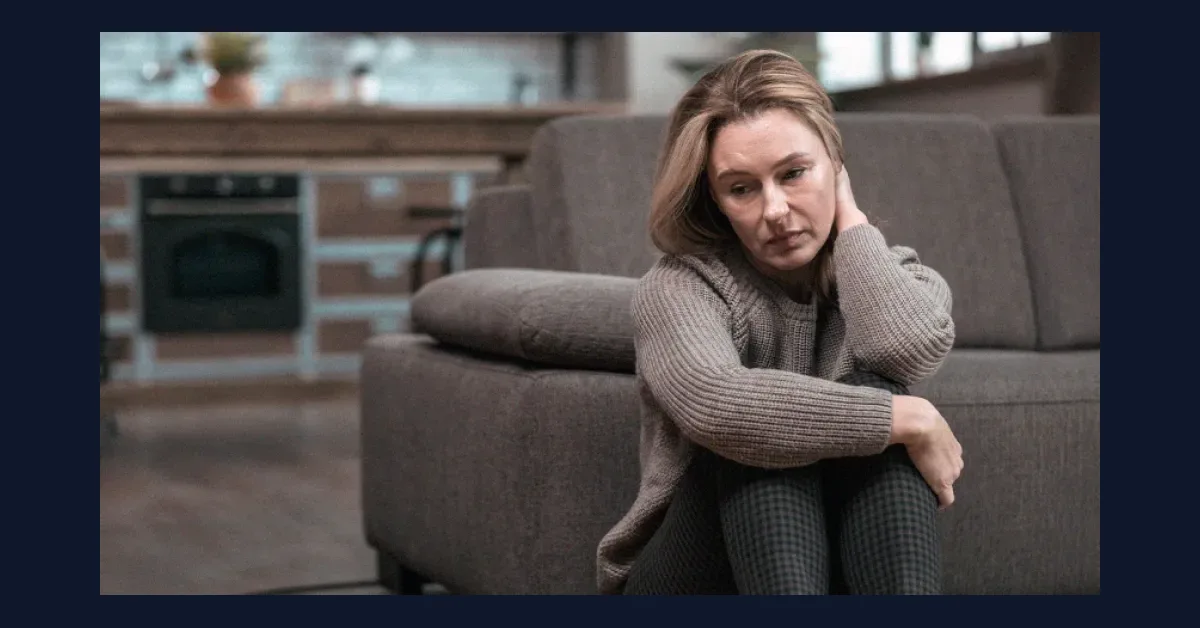
Why one side
Neck pain is common — 203 million people worldwide lived with it in 2020 (GBD 2021 Neck Pain Collaborators, 2024) — but one-sided morning pain is specific: something loaded the left and right sides differently for hours. That asymmetry narrows the suspect list to five.
1. Head rotation: the stomach-sleeping strain
Stomach sleeping forces the head to turn sharply to one side so you can breathe — and holds it there for hours. The muscles on one side stay shortened while the other side stays lengthened, which is exactly the recipe for waking with one-sided neck pain. If your sore side matches the direction your head turns at night, rotation is your prime suspect. The fix is positional: the New England Baptist Hospital Spine Center's physiatrists (2018) rank side or back sleeping as easiest on the neck — a dated but still-cited clinical opinion worth weighing against any pillow marketing.
2. Neck tilt: the side-sleeping compression
Side sleepers get a different asymmetry. If the pillow is too high, the neck bends upward; too low, and the head drops toward the mattress. Either way, one side compresses while the other stretches. The tell: the sore side is usually the lower side when the pillow is too low, or the stretched upper side when it's too high. A mirror check settles it — lie on your side and have someone sight along your spine from behind. If your neck isn't a straight continuation of your back, your loft is the problem, not your muscles.
3. Acute torticollis: the overnight lock
Sometimes one-sided neck pain arrives with a locked feeling — you wake up and can barely turn your head one way. That's acute torticollis (wry neck), which the Royal Berkshire NHS leaflet (2024) describes as something that can develop overnight and is a common cause of neck pain in young people. Triggers include sleeping in an unusual position without neck support and poor screen posture. It is the one cause that can arrive with no positional warning at all — you simply wake up locked. The reassuring part: symptoms usually improve within a few days, and the NHS advises gentle neck exercises and warmth. See your GP if symptoms persist or worsen (Royal Berkshire NHS Foundation Trust, acute torticollis leaflet, 2024).
4. Daytime carryover: the posture you bring to bed
The neck doesn't reset at midnight. Hours of forward head posture at a screen pre-load the same muscles that then spend the night rotated or tilted — the combination is worse than either alone. If your pain is worst on workdays and eases on weekends, daytime posture is contributing. Neck-driven morning headaches often start as one-sided neck tension — see can neck problems cause morning headaches? And if your days are spent hunched over a phone: does your pillow make tech neck worse?
5. The mattress and the pillow's age
The fifth suspect is slow and invisible: materials age. A pillow that was the right height two years ago may have compressed into a tilt machine, and a sagging mattress lets the torso drop while the head stays put — bending the neck sideways all night. If your pain started gradually rather than overnight, suspect drift, not damage. The test is cheap: sleep one night with a folded towel adjusting the loft and see if the morning changes.
Rotation strain vs compression strain
In short: stomach sleeping rotates the head sharply to one side for hours (rotation strain); side sleeping on a wrong-height pillow tilts the head off the spinal line (compression strain). Each pattern hurts with a different movement — the check below tells them apart. This rotation-versus-compression framing is this page's own practical reasoning, built from the mechanics, not a trial finding: rotation strain usually hurts most when you turn toward the sore side; compression strain when you tilt toward it.
One more pattern: the sore side isn't always the side you slept on. Stomach sleepers usually hurt on the side the head turned toward — but some alternate turn direction through the night. Side sleepers hurt on the compressed lower side if the pillow is too low, the stretched upper side if too high. Back sleepers with one-sided pain often rotate their head to one preferred side even on their backs. When the sore side and the sleep side don't match, look for the turn or the tilt instead of discarding the positional theory.
One-sided vs two-sided: why the distinction matters
When both sides ache equally, the cause is usually symmetric too: a pillow too high or too low for both sides, a mattress that sags in the middle, or a night in an awkward but centered position (the classic couch-nap crick). The fix is global — adjust overall height, replace the sagging layer.
One-sided pain is a different animal. Something loaded the left and right sides differently for hours — which is why the five suspects above are all asymmetric: rotation, tilt, a one-sided lock, a one-sided daytime habit, a one-sided compression from aged materials. The fix is specific, not global — and that's why the "just buy a better pillow" reflex so often fails: a new pillow at the same wrong height, in the same rotated position, reproduces the same pain.
Pain that changes sides is a different signal: if the sore side alternates night to night, you're probably looking at a general setup problem expressing itself wherever the night's worst position lands — treat it more like the bilateral case. If it's always the same side, the cause is locked to something specific about that side. Same-side-every-morning is the strongest signal this page's check can work with.
Checks you can do in a minute
Use the steps in order — each one rules something out.
- Name the side and the night. Which side hurts — left or right? How did you fall asleep: stomach, side, or back? If the sore side matches your head-turn direction as a stomach sleeper, rotation strain leads. If you slept on your side and the pillow felt too high or too flat, compression is likelier.
- Test the movement. Slowly turn your head toward the sore side, then tilt your ear toward the sore shoulder. Note which hurts more. Turning-toward pain points to rotation strain; tilting-toward pain points to compression. If both are equally awful and the neck feels locked, think torticollis — the overnight lock the NHS describes.
- Check the loft. Lie in your usual position and have someone look from behind (side sleepers) or the side (back sleepers). Your neck should continue your spine's line without a visible bend. A bend means the pillow height is wrong for your shoulder width.
- Ask about the pattern. Same side every morning? That's a setup problem — position or pillow — and it will keep returning until the setup changes. A one-off after an unusual night is more likely a single strain that eases in a few days.
Step 1 of 3: which side hurts?
1 of 3
Step 2 of 3: how did you fall asleep?
2 of 3
Step 3 of 3: which movement hurts most?
3 of 3 — move slowly and gently; stop if anything feels wrong.
If the checker points at a loft problem, morning stiffness is usually the next thing to notice — it shares the same mechanical roots: why do you wake up with a stiff neck every morning?
When it should not be ignored
Simple mechanical neck pain has a reassuring pattern: worst in the morning, easing as you move through the day, improving over a few days. When one-sided pain follows that arc, it's almost certainly positional. The patterns below break that arc — each one is a reason to talk to a qualified clinician rather than trying another pillow.
| Sign | What it can mean | What to do |
|---|---|---|
| Numbness, tingling, or weakness in the arm or hand | Possible nerve involvement — beyond a simple muscle strain | See a clinician promptly; don't wait it out |
| Pain spreading down the arm | Referred pain pattern worth professional assessment | Book a clinical evaluation |
| Neck pain after an injury or fall | Possible structural injury — different rules apply | Seek urgent care, not a pillow guide |
| Fever with neck stiffness | Can signal infection — needs same-day assessment | Seek urgent medical care |
| Pain that keeps worsening after a few days | Not following the usual self-limiting course | See your GP, per the NHS torticollis guidance |
| Same-sided pain returning every morning for weeks | Likely positional — but persistent pain deserves a look | Fix the setup and mention it at your next clinical visit |
The emergency line is shorter and sharper: go to A&E at once for neck pain with weakness in the arms or legs, walking or balance problems, numbness in both arms or legs, clumsiness, bladder or bowel changes, or neck pain with dizziness, vision or speech problems, difficulty chewing or swallowing, fainting, nausea or vomiting, severe headaches, facial numbness, or a drooping eyelid. See a GP or call 111 urgently if you have a history of cancer, HIV, tuberculosis, or inflammatory arthritis, or if you feel unwell with appetite loss, fever, weight loss, or night sweats (Leicestershire Partnership NHS Trust, neck pain leaflet, 2026).
The overwhelming majority of one-sided morning neck pain is mechanical and self-limiting — but the line between "uncomfortable" and "needs care" is the line this section draws. For the full warning-signs reference: when should neck pain send you to a clinician? And the natural follow-up: how long does a stiff neck usually last?
The pillow myth, retired
The myth: waking with a sore neck means your pillow is bad — so buying a better one fixes it. One-sided pain must mean you need a "cervical" or orthopedic pillow.
The evidence: one-sided stiffness usually traces to position: head rotation or a loft mismatch. A new pillow at the wrong height repeats the problem exactly. And torticollis — a common overnight cause — resolves with time and gentle movement, per the NHS, not with a purchase. The pillow trials agree: a 2021 review pooling 35 trials found pillows improved neck pain, waking pain, and disability — but the blinded trial inside that pool found contour foam no better than regular foam, so the shaping itself adds little (Pang et al., 2021, PMID 33895703) (Gordon et al., 2010, PMID 21197317). The full evidence is on do cervical pillows work?
The myth persists because it's half true. A pillow that has gone flat can cause compression strain — replacing it helps. But the fix is the right height, not a better brand. A plain pillow at the correct loft outperforms a contoured pillow at the wrong one, because the trials say height and material do the work, not the sculpted shape. When one-sided pain keeps returning, audit the setup before the shopping cart: position first, height second, pillow last.
There's a second, subtler version of the myth: that a pillow can treat neck problems. It can't — pillows support comfort and alignment; they don't treat conditions. Anyone selling you a pillow as a cure for a medical problem is selling past the evidence, and past our editorial line.
Tonight's reset plan
- Position. Back sleeping with a low pillow is the gentlest default for a sore night; side sleeping works if your loft keeps the neck level. The New England Baptist Hospital Spine Center's physiatrists (2018) specifically suggest a pillow between the knees for side sleepers and under the knees for back sleepers — small supports that keep the whole spine, neck included, nearer neutral. If you're a committed stomach sleeper, even one night on your side tells you a lot. For the position-by-position breakdown: which sleep position is easiest on the neck?
- Loft check. Before bed, lie in your planned position and run the mirror test. If the neck bends, adjust tonight — fold a towel under or inside the pillowcase to add height, or remove a layer to reduce it. A towel shim is ugly and effective; it tells you what height to shop for.
- Warmth and gentle movement. The NHS advises gentle neck exercises and heat for torticollis-type stiffness — warmth before bed on the sore side, and slow, pain-free movements in the morning rather than aggressive stretching. Don't force the neck straight or "crack" it.
- Sleep quality matters too. The New England Baptist Hospital physiatrists note that poor sleep raises pain sensitivity — a bad night makes the same neck feel worse. So the reset plan includes the obvious: a dark, cool room and a real wind-down.
- Judge on the right timeline. Give the reset a few days, not one night — torticollis-type symptoms usually improve within a few days, and a single good night can be a fluke. If the same side greets you every morning for weeks despite a corrected setup, bring it to a clinician, not a third pillow.
The morning after: reading the result
The morning is your lab report. Before reaching for your phone, run the movement test again: turn toward the sore side, tilt toward it, note what changed. Same pain, same side: the setup change didn't address the cause — re-audit the position and the loft. Less pain: hold the setup for several nights before declaring victory. Pain moved sides or became bilateral: that suggests a general height problem, and the fix shifts from position to loft.
For the sore morning itself: warmth first, then slow range-of-motion movements — look left, right, up, down, ear to shoulder — staying well inside comfort. No aggressive self-cracking, hard stretching into pain, or fast twists. And if the morning report shows the red-flag signs from the box at the top, the plan for today is a clinician, not a second attempt at the reset.
What the sources actually say
Here's exactly what each source contributes — and what none of them can tell you.
- The NHS leaflet (Royal Berkshire, June 2024). A patient-information leaflet from a hospital emergency department — institutional guidance, not a trial. It contributes four facts: acute torticollis can develop overnight; it's a common cause of neck pain in young people; triggers include sleeping in an unusual position without neck support and poor screen posture; and symptoms usually improve within a few days with gentle exercises and warmth, with a GP visit advised if they persist or worsen. It doesn't quantify "usually" or address the rotation-vs-compression distinction — those framings are ours, built from the mechanics, and labeled as such.
- The NHS leaflet (Leicestershire Partnership, 2026). A neck-pain patient leaflet. It contributes the scale (up to 80% of adults will experience neck pain at some point), the timeline (most new neck pain improves within 6 to 8 weeks), the causes list (poor sleep, stress, feeling low, long periods in one position), and the urgent A&E list used in the care section. Scans are rarely needed.
- The New England Baptist Hospital physiatrist blog (August 2018). A clinic blog post by spine-center physiatrists — expert clinical opinion, cited with its year because it exceeds our two-year freshness window, and consulted from an archived copy because the live page has been removed. It contributes the position ranking (side or back easiest on the neck), the knee-pillow suggestions, and the observation that poor sleep raises pain sensitivity. It doesn't cite trials for the ranking — treat it as experienced guidance, not settled science.
- The pillow trials (Pang 2021; Gordon 2010). The 2021 review pooled 35 trials and found pillows improved neck pain, waking pain, and disability — but not sleep quality. The 2010 blinded trial found contour foam no better than regular foam. Both are used here only for the pillow-myth section, not for the rotation-vs-compression checker, which no trial has tested.
- The global burden study (GBD 2021). 203 million people worldwide lived with neck pain in 2020, projected to reach 269 million by 2050. It contributes scale only — nothing about one-sided pain specifically.
What no source covers. No trial has tested which side a sore sleeper should lie on, how long a "reset" takes beyond "a few days," or whether one pillow type beats another specifically for one-sided morning neck pain. Where this page goes beyond its sources — the rotation-vs-compression checker, the morning-after read, the shopping order — it's reasoning from mechanics, labeled as practical guidance, not as findings. Everything sourced is cited; everything inferred is flagged.
Key takeaways
- One-sided morning neck pain usually means an asymmetric position held for hours — rotation (stomach sleeping) or tilt (wrong pillow height). When it repeats on the same side every morning, the sleep setup is the prime suspect.
- Acute torticollis (wry neck) can develop overnight; the NHS advises gentle movement and warmth, with symptoms usually improving in a few days.
- The one-minute check — side, sleep position, painful movement — separates rotation strain from compression strain. It is the page's own practical reasoning, not a trial finding.
- A new pillow doesn't always fix it: position first, height second, pillow last.
- Numbness, weakness, arm-spreading pain, fever, injury, or worsening pain → see a clinician, not a product page.
Questions people actually ask
How do I fix a sore neck after sleeping?
Note which side hurts and how you slept. Gentle movement and warmth help most simple cases; the NHS advises seeing your GP if symptoms persist or worsen (Royal Berkshire NHS, 2024). This page's one-minute check points you at the likely cause.
Why do I wake up with a sore neck on one side?
The five usual suspects: sleeping with the head rotated (stomach sleeping), a pillow that's too high or too low, acute torticollis (wry neck, which can develop overnight), daytime posture carried into the night, and a pillow or mattress aged out of shape.
Why does my neck hurt on one side after sleeping?
Usually an asymmetric position held for hours: head turned while stomach sleeping (rotation strain), or the neck tilted on a wrong-height pillow while side sleeping (compression strain). Acute torticollis — wry neck — is another overnight cause.
What does it mean when your neck is stiff on one side?
It means one side's muscles or joints were loaded unevenly overnight. If the same side hurts every morning, your sleep position or pillow height is the prime suspect. If it came on suddenly with a locked feeling, torticollis is possible.
Is a sore neck after sleeping wrong serious?
Usually not — most simple cases ease within a few days. See a clinician if there's numbness or weakness, pain spreading down the arm, fever with stiffness, a recent injury, or pain that keeps worsening.
What helps a neck twisted overnight?
The NHS advises gentle neck exercises and warmth for acute torticollis, which usually improves in a few days. Don't force the neck straight or stretch aggressively. See your GP if it persists or worsens.
Should I sleep on the side that hurts?
No trial answers this — go by comfort, not by rule. Avoid forcing the sore side into a painful position, and don't stack pillows to "prop" it. If one side is acutely sore, back sleeping with a low pillow is the gentlest default.
How long does one-sided morning neck pain last?
Simple mechanical cases, including torticollis, usually improve within a few days. If the same-sided pain returns every morning for weeks, the cause is likely positional — your sleep setup, not a one-off strain — and worth reassessing.
Last updated: 2026-11-21 by Adeel Farooq
Published 1 November 2026 — rewritten 21 November 2026.
Not medical advice: the content on this site is for education only and isn't medical advice. Nothing here diagnoses or treats any condition. Talk to a qualified clinician about any health concern — especially neck pain that doesn't improve, keeps recurring, or comes with numbness or weakness.
References
- Royal Berkshire NHS Foundation Trust. Acute torticollis (wry neck): patient information leaflet, June 2024 (head tipped to one side, chin turned to the other; usually better on its own after a few days).
- Leicestershire Partnership NHS Trust. Neck pain: patient information leaflet, Edition 1, 2026 (up to 80% of adults affected; most new neck pain improves within 6–8 weeks; urgent A&E list).
- New England Baptist Hospital Spine Center. How to stop waking up with a stiff and sore neck, 2 August 2018 (live page removed; archived copy consulted 21 November 2026). Archived copy (Wayback Machine)
- Pang, J. C. Y., Tsang, S. M. H., & Fu, A. C. L. (2021). The effect of pillow on neck pain: a systematic review and meta-analysis (35 trials; 9 high-quality, 555 participants). Clinical Biomechanics, 85, 105353. PubMed 33895703
- Gordon, S. J., Grimmer-Somers, K., & Trott, P. (2010). Pillow use: the behaviour of cervical pain, sleep quality and pillow comfort in side sleepers (106 commenced; latex best, feather worst, contour equal to regular foam). Journal of Pain Research, 3, 137–145. PubMed 21197317
- GBD 2021 Neck Pain Collaborators (2024). Global, regional, and national burden of neck pain, 1990–2020 (203 million in 2020; 269 million projected by 2050). The Lancet Rheumatology, 6(3), e142–e155. doi: 10.1016/S2665-9913(23)00321-1
How we researched this page
We answered 8 reader questions on this page, drawn from collected "people also ask" queries on neck pain on one side after sleeping (searched 21 November 2026), and traced every claim to 6 sources: the Royal Berkshire acute torticollis leaflet (2024), the Leicestershire Partnership neck pain leaflet (2026), the archived New England Baptist Hospital spine center guidance (2018), Pang et al. (2021), Gordon et al. (2010), and the GBD 2021 neck pain study. The papers are linked to their primary PubMed records. Where no trial exists — which side to sleep on, how long a reset takes, the rotation-vs-compression checker — the page says so rather than inventing a finding. No manufacturer claims were used as evidence. Full method: how we research.
Editorial notice: this page links to our internal guides and to no product pages. We may receive compensation if you later buy through links on some of our pages, at no extra cost to you; it never affects our scores or recommendations. Editorial policy